The Danger of Confusing Confidence With Competence
A lesson from Zhao Kuo
 TodayHistory
The modern dilemma
Pinning keeps chapter info in view on desktop. Unpinning returns it to the page flow. Chapter text always scrolls with the page.
This chapter scrolls with the page. Use the arrow keys or Page Up and Page Down to read. Press Tab to leave this reading area.
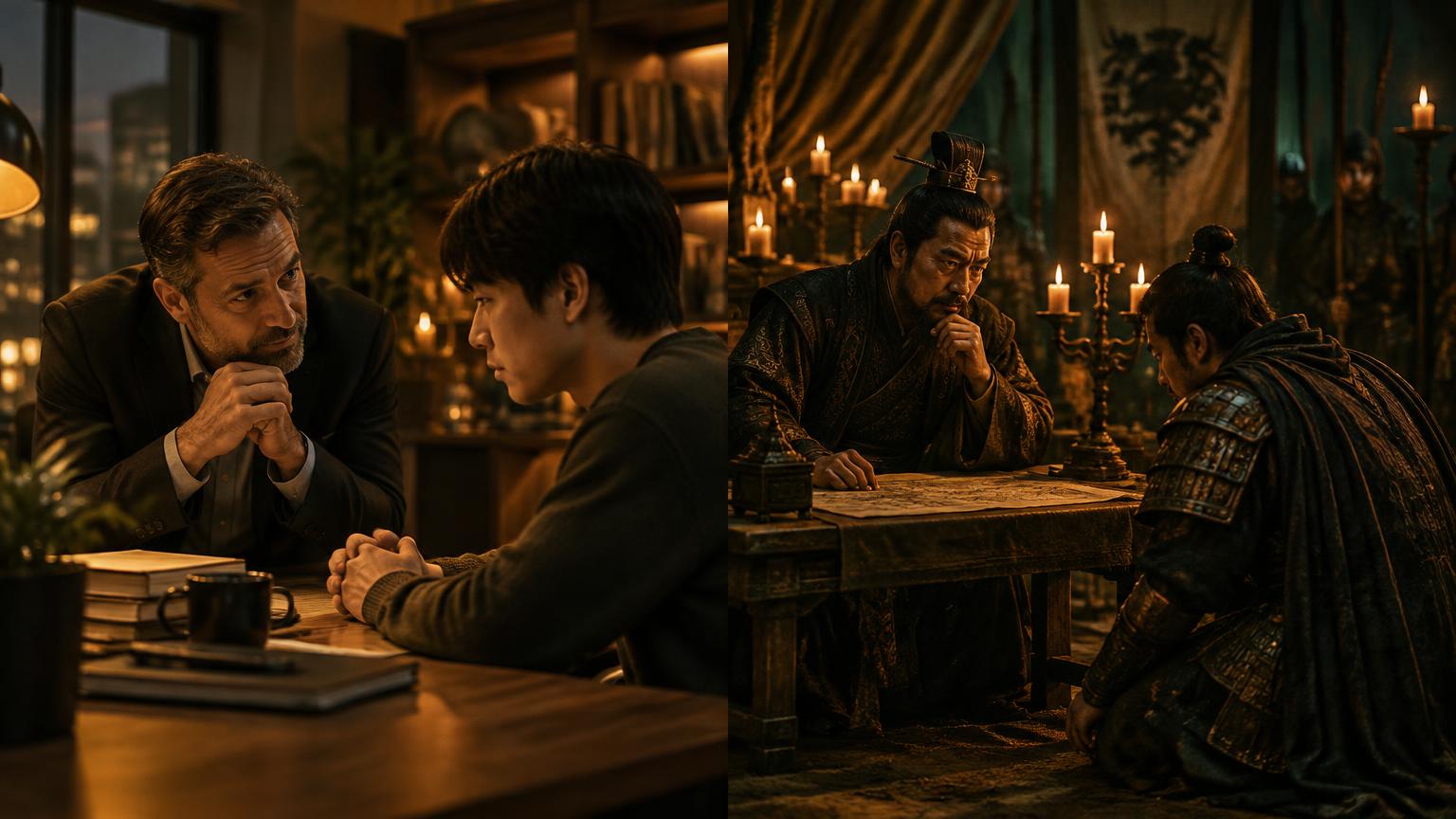
A difficult launch has missed its targets, and your organization needs a new operations lead. One candidate explains a convincing strategy: clear priorities, decisive language, a plan that makes the problem feel manageable. Another speaks less smoothly but has delivered steady results with a smaller team. You have to recommend someone before the next launch begins.
The confident candidate may understand the work exceptionally well. The quieter candidate's record may depend on conditions this team cannot reproduce. Neither presentation nor past success settles how either person would respond to an unreliable supplier, a reduced budget, or a plan that stops working.
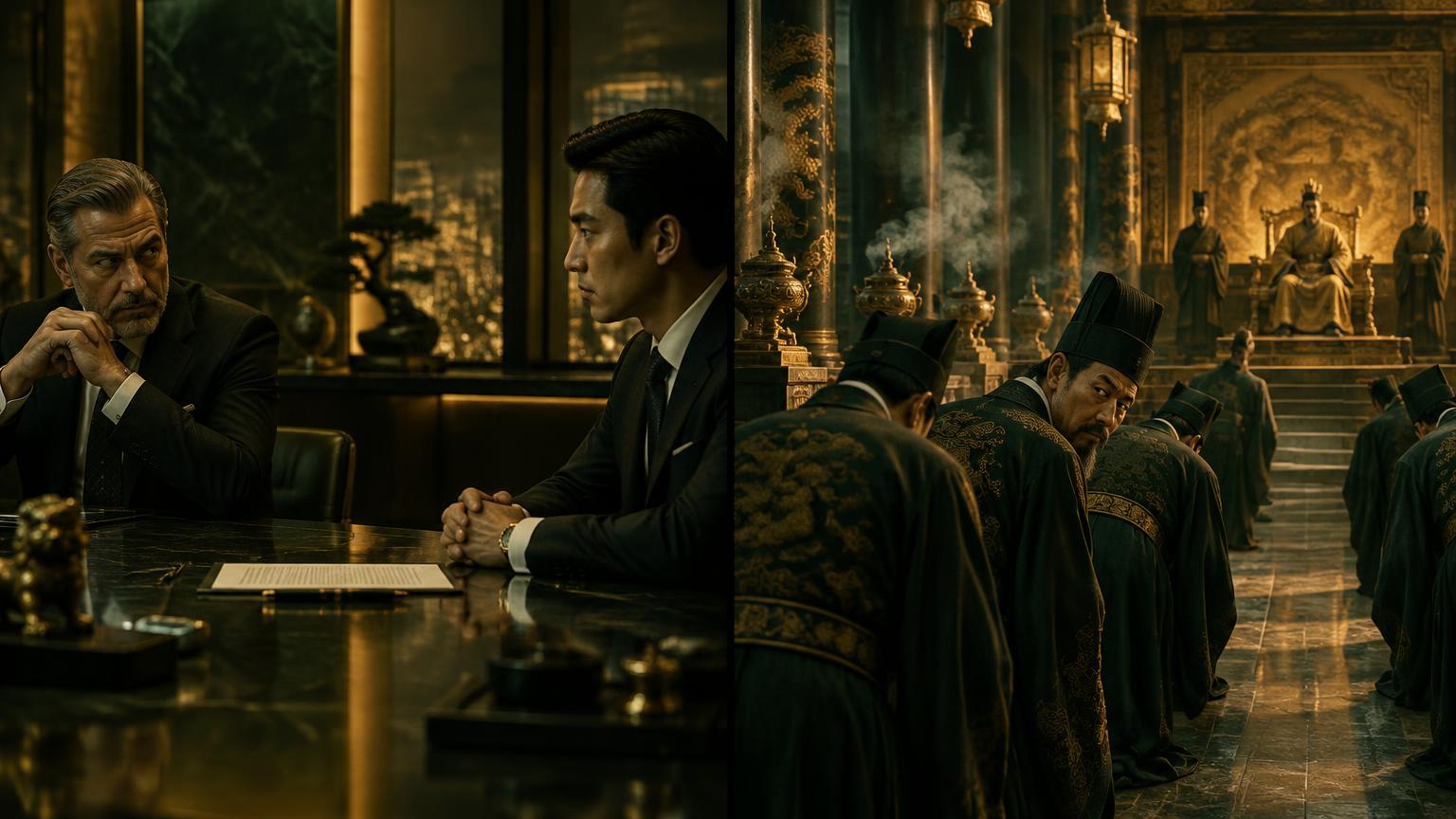
Pressure to make a decision can make an incomplete assessment feel complete. Before granting authority, you need to identify which capabilities have been demonstrated, which remain assumptions, and what support the person would need. You are choosing someone to handle a particular responsibility, not awarding a prize for the best interview.
What evidence would justify giving either candidate responsibility for this particular job?
A story from history
Warring States · 260 BCE
Pinning keeps chapter info in view on desktop. Unpinning returns it to the page flow. Chapter text always scrolls with the page.
This chapter scrolls with the page. Use the arrow keys or Page Up and Page Down to read. Press Tab to leave this reading area.
Choosing a Commander
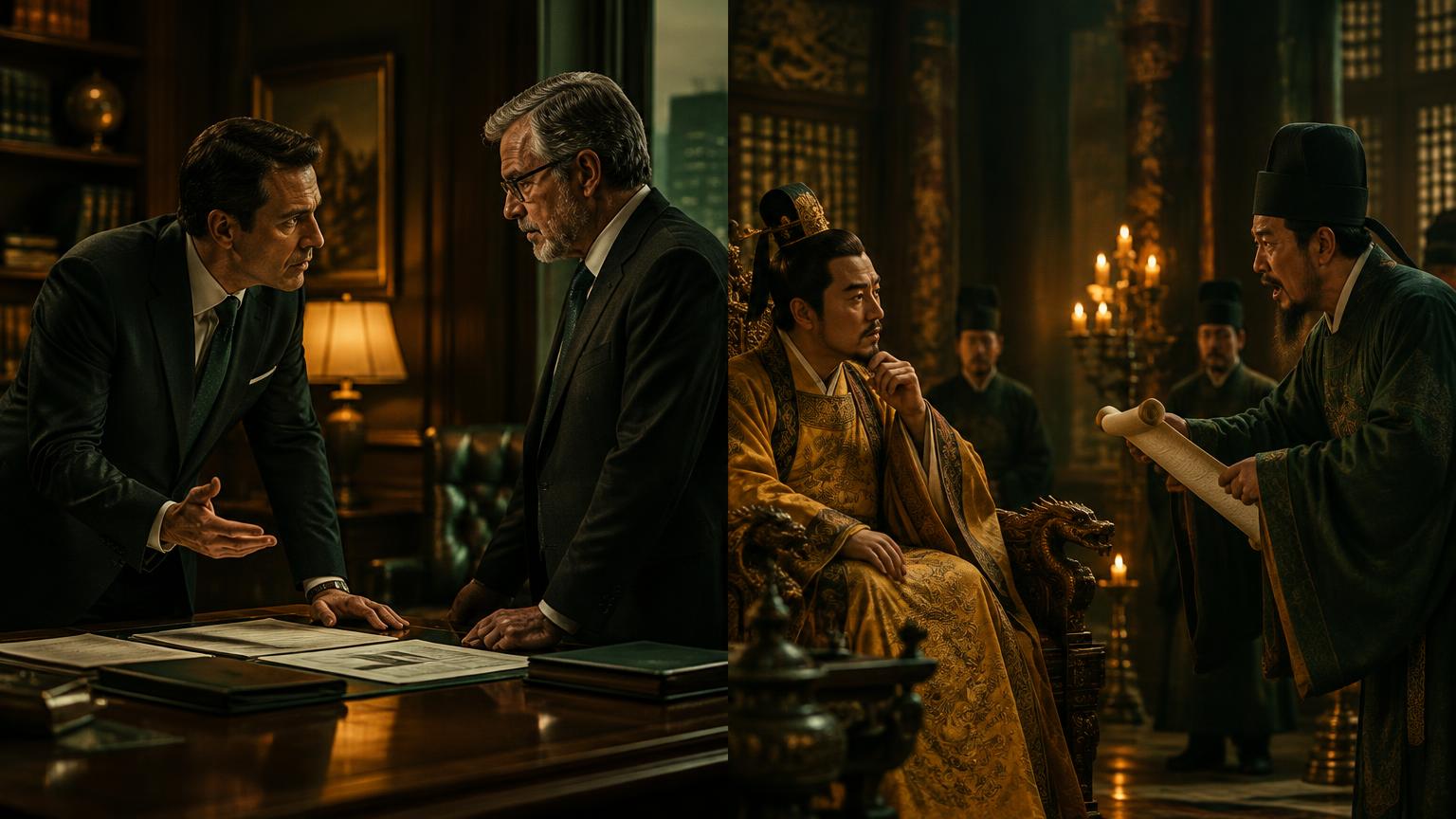
In 260 BCE, Zhao and Qin were rival states fighting at Changping in ancient China. Shiji 73 describes Zhao's commander Lian Po losing officers and positions before holding fortified defenses. Zhao's king repeatedly criticized his refusal to fight. The command change therefore came amid real setbacks, not a simple choice between an obvious success and an obvious failure.
The same chapter links Lian Po's replacement to a planted Qin report that Zhao Kuo was the commander Qin feared. Shiji 81 presents Kuo, son of the general Zhao She, as skilled in military argument but records his father's doubt and Lin Xiangru's objection about adapting to change. These are claims in a later narrative, not independently authenticated pre-defeat testimony. In that account, information about ability is also a means of influencing an appointment. The question becomes not only whether a claim sounds convincing, but where it comes from, whose interests it might serve, and what supports it. We cannot reconstruct what the king knew about its origin.
A source's interests do not settle whether a claim is true. They make its basis and independent support worth checking. Understanding theory can support a coherent plan. Executing it also requires recognizing changed conditions and deciding when and how to revise it. Lin Xiangru's reported objection concerns that gap. In this reading, the narrative raises two risks: trusting information without testing its reliability, and treating evidence of one skill as proof of another.
Command Within a Larger War
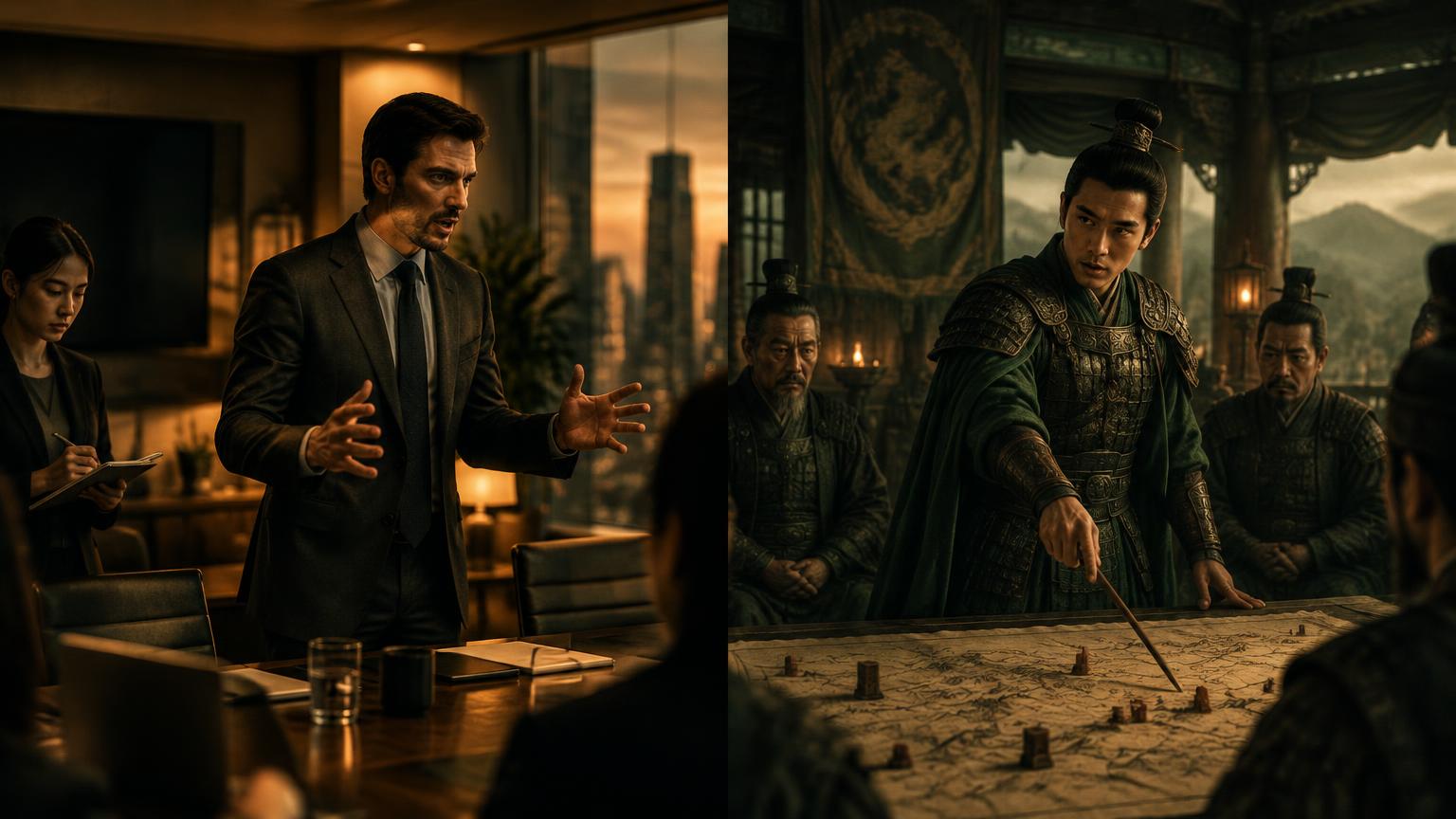
Shiji 81 says Kuo changed regulations and officer appointments. Chapter 73 describes Qin secretly giving Bai Qi command, feigning retreat, separating Zhao's forces, and cutting their supply routes. It also describes Zhao's forces fortifying and waiting for relief after setbacks, complicating a picture of a command that could only attack. Qin's king then mobilized additional forces to block supplies and assistance. The opponent and the wider state were active participants in the disaster, not a backdrop for one man's character.
This sequence does not make Kuo blameless: the conduct of the offensive and changes in command still deserve scrutiny. It does make a complete explanation larger than his personality. The king selected the commander, Qin chose how to exploit the move, and supply and relief depended on more than one officer. Nor does the account demonstrate that leaving Lian Po in place would have produced victory.
Reading the Outcome
The casualty language also matters. Chapter 73 reports 400,000 surrendering after Kuo's death; it says Bai Qi then had the prisoners killed, except for 240 younger ones sent back to Zhao. Its 450,000 is a cumulative count of killed and captured; chapter 81 gives 450,000 for Zhao's total losses. These categories overlap. They are figures transmitted in ancient accounts, not independently verified death counts, and 450,000 must not be added to 400,000.
Leijia Wu's 2024 study shifts attention toward relative power, long-term strategy, and diplomacy, challenging command replacement as the explanation for Zhao's defeat. This is a scholarly interpretation, not a settled verdict. A state's ability to sustain a campaign and an army losing access to provisions after encirclement are different problems. Identifying the immediate mechanism does not, by itself, establish the deeper cause or prove the outcome was inevitable.
Changping thus poses two different evaluation problems. Before an appointment, what evidence supports the responsibilities being assigned? After a defeat, which decisions, conditions, and opposing actions explain the result? Using confidence to settle the first question and catastrophe to settle the second substitutes a visible signal for an argument. Context does not remove responsibility; it makes the judgment more specific.
Shiji 73 and 81 supply the appointment and campaign narratives used here. They belong to the same work, compiled long after the battle, not two independent confirmations. Leijia Wu's 2024 study offers a competing strategic interpretation; its accepted manuscript was consulted through UTS OPUS.
The family warnings, Lin Xiangru's objection, and Qin's planted report are transmitted within the Shiji account. Their presence in that text does not independently authenticate conversations, motives, or foresight. The numerical totals require interpretation rather than automatic acceptance or dismissal.
The comparison with hiring is editorial reasoning, not a claim that an ancient battle reproduces a modern workplace. Neither the exact casualty totals nor a single explanation of defeat is established here. Questions about personal judgment and organizational conditions must be examined together.
Discover the lesson
Pinning keeps chapter info in view on desktop. Unpinning returns it to the page flow. Chapter text always scrolls with the page.
This chapter scrolls with the page. Use the arrow keys or Page Up and Page Down to read. Press Tab to leave this reading area.
“Evidence of competence must fit the responsibility being assigned.”
- i
Evidence That Fits the Role
Lin Xiangru's reported objection concerns the reach of Kuo's knowledge, not whether knowledge has value. Identify the decisions this role requires and ask for relevant examples of handling them. For a recommendation, establish what the source actually observed and what remains an inference. A track record from another setting needs context; communication can be a genuine requirement. Neither polish nor quietness should substitute for evidence about the work.
- ii
Judgment Under Changing Conditions
Qin's concealed command change and feigned retreat make adaptation a concrete issue. Give candidates the same short, job-related problem, then change one important constraint. Ask what they would reconsider, what they would investigate, and when they would abandon the original plan. A simulation remains only one piece of evidence; familiarity with the exercise can distort the result.
- iii
The Conditions of Performance
At Changping, command interacted with an adversary's decisions, supply routes, and state mobilization. Before assigning responsibility today, clarify resources, authority, dependencies, and fallback options. Ask what the organization must provide as well as what the candidate must do. Otherwise, you may hire an impressive promise to solve a problem whose essential conditions remain outside the person's control.
- iv
Accountability Beyond the Result
Changping involved judgments by both the appointing king and the appointed commander. Record the evidence, doubts, assumptions, and review points before an appointment. Later, distinguish decisions the person controlled from changes in the task, resources, or opposition. A setback warrants investigation, not an automatic verdict on character; success still deserves examination. This does not excuse avoidable mistakes. It makes accountability depend on identifiable decisions rather than the ending alone.
Confident people can also be highly capable. The point is to verify, not to distrust confidence. Quietness is no guarantee either. A work sample cannot reproduce every condition, and expert knowledge or communication may be central to the role. Do not use this battle to label a colleague another Zhao Kuo or to excuse avoidable mistakes as a system failure. Assess the actual responsibility and the conditions in which it must be carried out.
Your decision
Choose what you would do. Each choice reveals a different perspective — none is simply right.
Two candidates look identical on paper. One interviews brilliantly. The other is quiet but has a long record of steady results. You can choose only one.