Why Great Leaders Need People Who Disagree
A lesson from Wei Zheng
 TodayHistory
The modern dilemma
Pinning keeps chapter info in view on desktop. Unpinning returns it to the page flow. Chapter text always scrolls with the page.
This chapter scrolls with the page. Use the arrow keys or Page Up and Page Down to read. Press Tab to leave this reading area.
Your company plans to extend evening customer support next month. The schedule looks covered, and the sales team has begun promising the new hours. At the planning meeting, an experienced colleague objects: several shifts would have only one person able to handle complex cases. They want a delay and more staff for their team.
They point to backlogs from two difficult weeks. Other managers believe those weeks were unusual and that revised shifts will cover the demand. The colleague may have identified a bottleneck your summary numbers hide; their preferred solution may also go beyond what the evidence supports. You are responsible for both service quality and a commitment customers now expect.
The public challenge is uncomfortable, but discomfort tells you little about the warning's accuracy. Ignoring it could conceal a real capacity problem. Reopening every decision could also make planning impossible. You need a way to investigate the objection, compare feasible responses, and decide without making agreement the price of being heard.
What evidence would justify changing this plan, and how would you explain a decision to proceed if the disagreement remains?
A story from history
Tang Dynasty · 627–643 CE
Pinning keeps chapter info in view on desktop. Unpinning returns it to the page flow. Chapter text always scrolls with the page.
This chapter scrolls with the page. Use the arrow keys or Page Up and Page Down to read. Press Tab to leave this reading area.
The Cost of Speaking
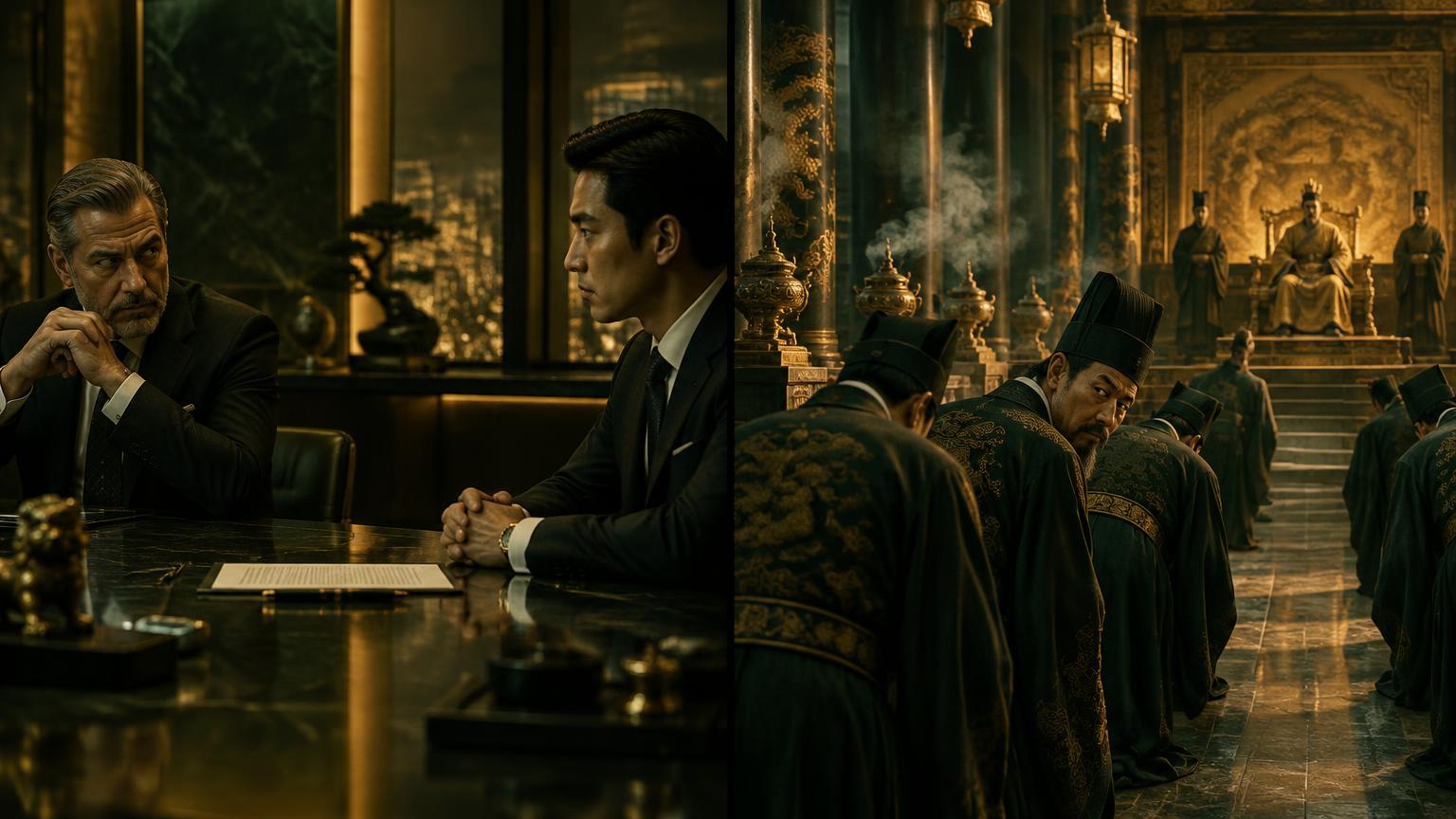
In seventh-century Tang China, Wei Zheng advised Emperor Taizong and held office as a remonstrator, an official expected to challenge conduct or policy. The later Jiu Tangshu, volume 71, records his earlier service to Li Jiancheng, Taizong's brother and rival. Past allegiance and the usefulness of present advice were not simply the same question.
Wu Jing's early eighth-century Zhenguan Zhengyao describes Taizong's imposing manner leaving officials unable to speak fluently. It also reports an order admitting remonstrance officials to policy discussions. One reading is that useful advice needs access before decisions harden into commitments. Yet an invitation does not remove the imbalance when the listener controls office and punishment. These passages do not show that everyone felt free to speak, or that fear made an objection true.
The Question Wei Zheng Changed
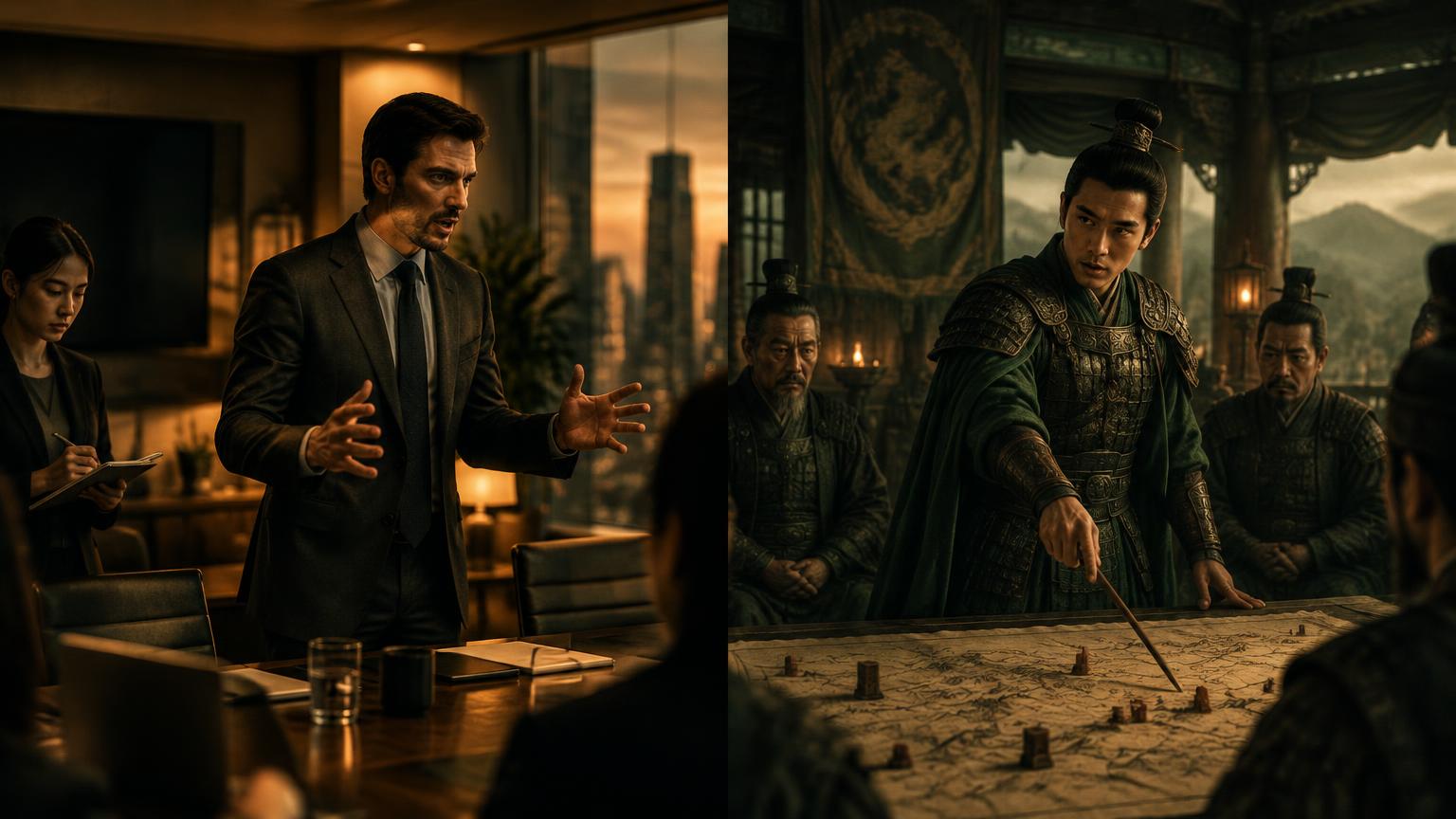
In its account for 632, Zhenguan Zhengyao describes officials urging Taizong to hold fengshan rites at Mount Tai. They cite military success, signs of favorable rule, and good harvests. Wei Zheng objects without denying those achievements. The contrast is not simply praise against criticism. Positive reports can support a judgment about past achievement without establishing whether a new undertaking is affordable.
Wei's reported argument concerns people still recovering from war, insufficient stores, and sparsely populated stretches of the proposed route. Hosting visitors and rewarding them would create further demands; a flood or drought could make the burden harder to bear. He shifts attention from whether the ruler deserves recognition to whether the population can support this undertaking now. The warning need not disclose facts unknown to Taizong to matter. It can expose consequences that a favorable account of the reign leaves out of the decision.
That does not make the rites pointless. Symbolic authority and relations with visiting rulers could also have value; this is a competing interpretation, not a benefit calculated by the sources. An objection about costs does not establish that every benefit is worthless. Wei's position gives priority to recovery and capacity. The decision requires weighing those claims, not assuming every supporter was flattering or that an opponent's sincerity settled the tradeoff.
From Counsel to a Decision
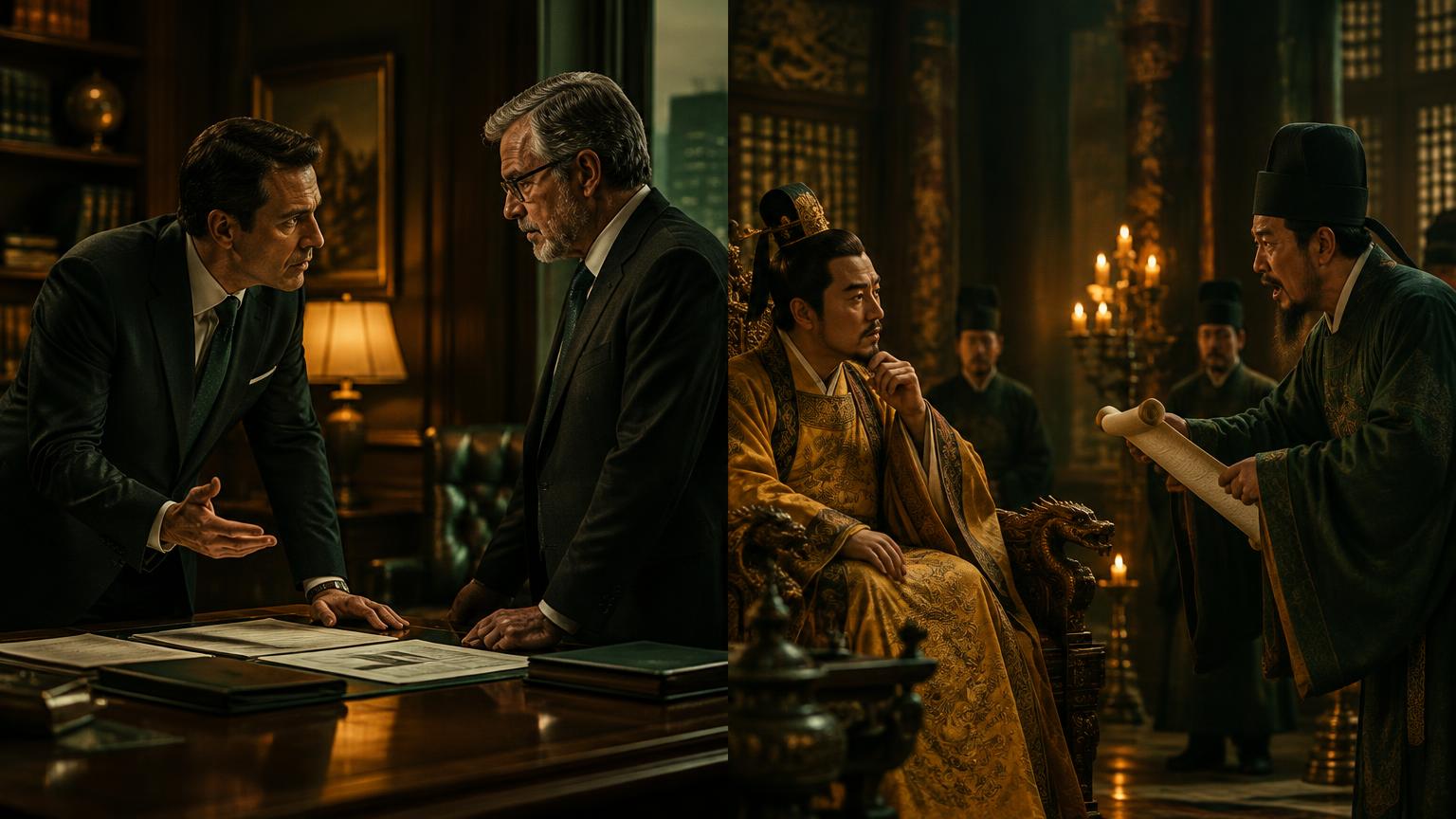
Zhenguan Zhengyao says Taizong praised the argument and stopped the plan. Zizhi Tongjian, volume 194, presents initial resistance to the rites, then willingness to accept officials' repeated requests; floods precede the plan being shelved. Its Kao Yi, the compiler's examination of conflicting sources, preserves accounts of an unwilling emperor alongside accounts of one dissuaded by Wei. The combined narrative should not be mistaken for a verified change of mind. His initial stance and the relative effects of advice and floods remain uncertain. Cancellation does not prove that proceeding would have caused disaster.
The later Jiu Tangshu records Taizong grieving Wei as a lost mirror. That tribute does not certify every warning or prove unbroken tolerance. Wu Jing's collection selects exchanges to teach governance; it is not a complete record of every accepted or rejected objection. The argument can be useful without making its speaker infallible. Hearing dissent becomes useful when a leader examines the evidence and consequences it raises, even if the final choice remains disputed.
Zhenguan Zhengyao, volume 2, supplies the advice and fengshan accounts. Jiu Tangshu 71 also preserves Wei's objections, earlier service, and the mirror tribute. Zizhi Tongjian 194 includes floods; Kao Yi 10 explicitly retains conflicting traditions about Taizong's initial stance. These transmitted accounts are not independent transcripts of the exchanges.
Wu Jing selected earlier court material in the eighth century to teach governance. The speeches and mirror image belong to that historical tradition; their survival does not authenticate every word or establish constant tolerance. Later accounts can share material without independently confirming an episode.
Reading the debate as a change in decision criteria is editorial analysis. The sources do not establish that Wei alone stopped the ceremony, that holding it would have caused disaster, or that his objections were always correct. Comparing court advice with a modern team does not make their risks equivalent.
Discover the lesson
Pinning keeps chapter info in view on desktop. Unpinning returns it to the page flow. Chapter text always scrolls with the page.
This chapter scrolls with the page. Use the arrow keys or Page Up and Page Down to read. Press Tab to leave this reading area.
“Useful dissent changes the questions a decision must answer.”
- i
Find the Missing Criterion
The fengshan debate separates achievements already credited from capacity still needed. Ask which condition an objection adds to your decision: staffing, timing, a dependency, or a burden the proposal has overlooked. A useful critic can identify what would have to be true for the plan to work. Distinguish a claim about facts from a different preference about acceptable costs; both deserve examination, but they need different answers.
- ii
Invite Advice Before Commitment
Admitting remonstrators to policy discussions could give advice a place before implementation. In a modern team, ask for concerns before announcing a settled plan and explain who will decide. Let people submit observations without first agreeing with the most senior voice. Address the concern itself before evaluating its delivery. An invitation loses credibility if raising a relevant problem reliably costs someone access or standing; a meeting alone does not establish candor.
- iii
Check the Burden Where It Falls
Wei's claims about stores, travel, and labor make the proposal answerable to capacity, but their presence in the narrative does not independently verify every detail. For your own plan, check workloads and dependencies with the people who must carry them. Compare their evidence with the critic's assumptions. A person may favor more resources for their own team and still identify a real constraint. Neither self-interest nor forceful delivery settles whether the warning is sound.
- iv
Explain the Decision You Keep
The different accounts of why the ceremony stopped caution against giving one conversation all the credit. After examining an objection, state what you changed, what you rejected, and why. You may reasonably proceed when benefits justify a remaining risk, or delay when a necessary condition is missing. Set a decision point and a concrete reason to reopen it. Keep the information channel open without requiring endless debate or treating disagreement as a veto.
Not all disagreement is valuable. Constant opposition can reflect misaligned goals, incomplete information, or preferences the decision cannot satisfy. A colleague's excellent work does not make every objection reliable. Personal attacks and repeated claims that add no evidence still need boundaries. Some decisions require timely action with unresolved uncertainty. A modern workplace is not an imperial court; do not use this account to diagnose motives, equate disagreement with loyalty, or conclude that rejecting advice necessarily means punishing candor.
Your decision
Choose what you would do. Each choice reveals a different perspective — none is simply right.
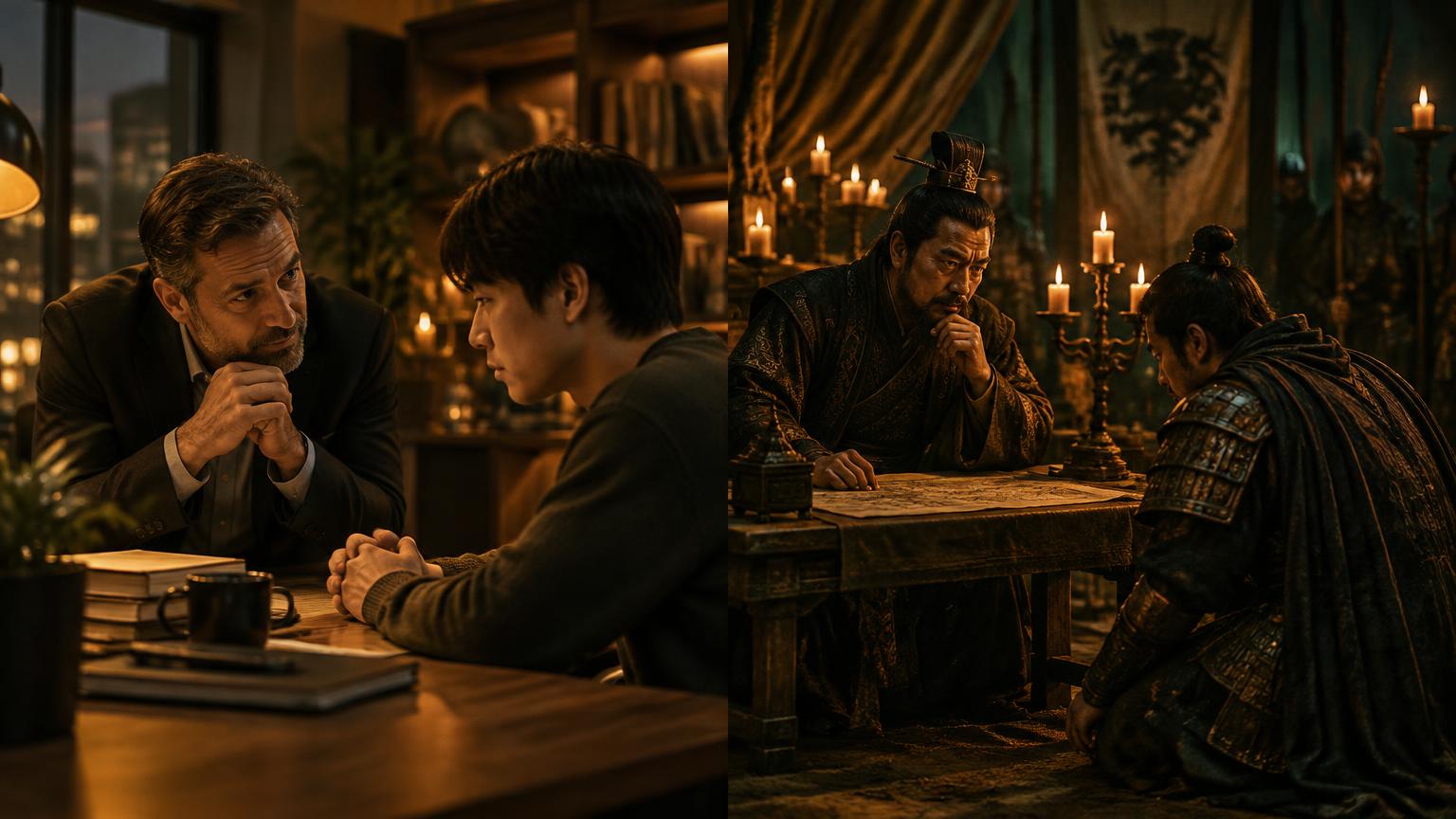
Your most talented colleague consistently disagrees with your decisions. Their work is excellent, but their criticism makes you uncomfortable. What would you do?